
Introduction to Guest Blogger Erin Watson
The sign of a great life is having tried it all! Well, I tried it all – all the therapy modalities, that is. I tried the trauma reprocessing, I tried group programs, I tried CBT, DBT, EFT and even hypnosis. I visited energy healers and shamans. I practiced meditation, changed my diet, started running, grew my spirituality and changed the people I hung around.
And yet I felt no closer to knowing who I was, why I was perpetually struggling and burnt out from the efforts of an ongoing recovery, and what to do next. I didn’t even know what I was recovering from and frankly, I found I couldn’t stick to anything anyway. My healing journey felt more like a hamster wheel than a bridge to a better life. I needed the wheel to stop spinning but it kept going faster and faster. Life was getting harder and I was losing my ability to cope. Why were things so much harder for me than everyone else?
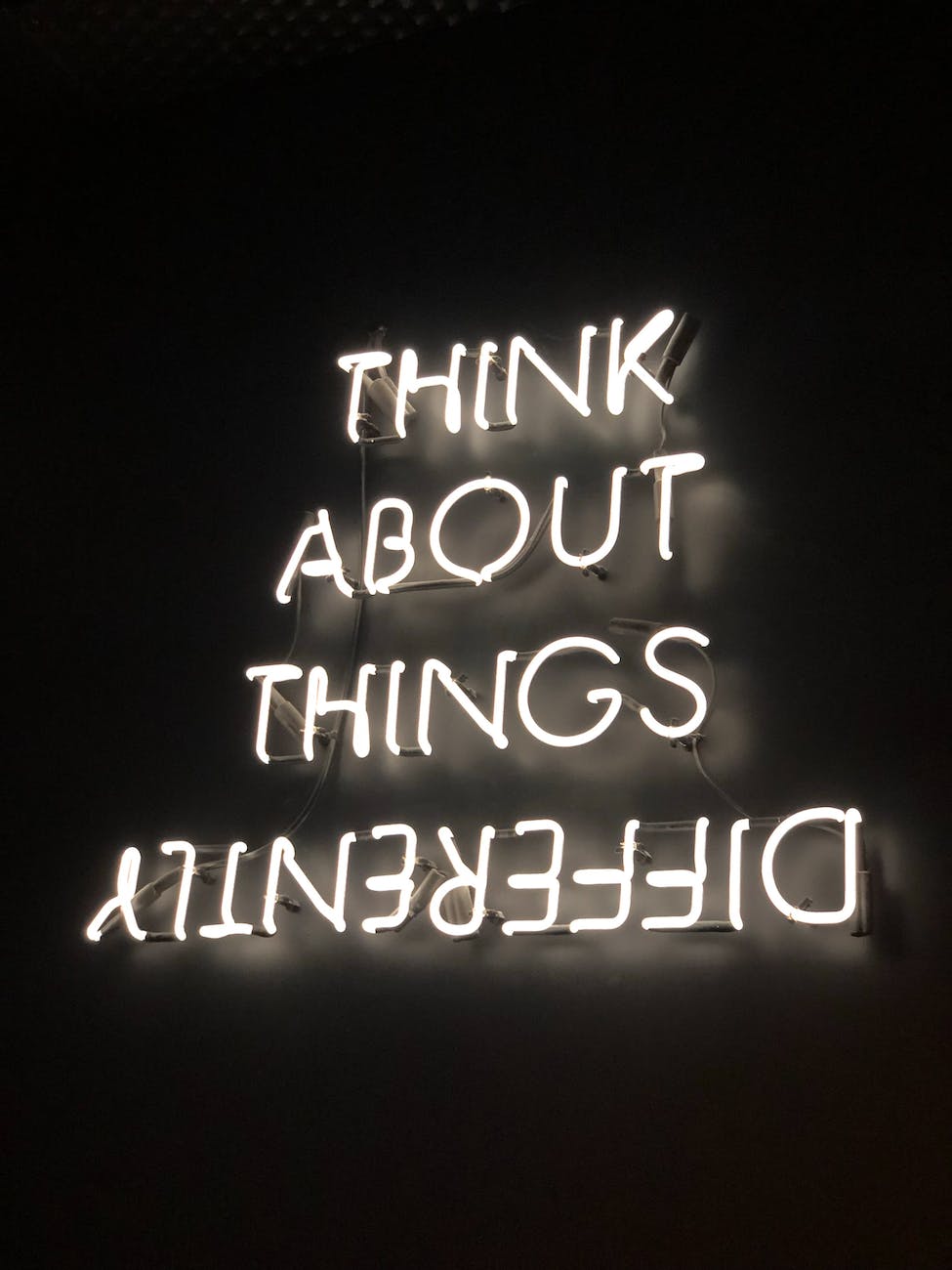
Growing up I was different. For some reason “different” meant “bad”. But in my eyes, different was always the thing we aspired to when we wanted to shake things up and add spice to our life. “Let’s try something different,” you purr on a date. “Let’s do this differently!” you exclaim at an innovative board meeting. “Have I got something different for you,” you excitedly tell a friend on the phone.
I brought flair! But people kept raining on my parade.
I grew more and more hopeless about where to find joy. I stopped being me and started being who I thought I needed to be. But that didn’t work either. I knew what I was told about how to feel happy and successful in life, but I could never get it “right”. None of it resonated with me. I couldn’t fit in, no matter how hard I tried. And I started resenting the efforts.
Was I destined to just be a walking “life-lesson” for others? Was my suffering for any purpose in particular? How come I am standing behind a glass partition seeing everyone else live full and fabulous lives while I have to write charts to remind myself to eat and drink water. How could I have “failed” at adulthood so thoroughly? This can’t “just” be lack of motivation. It isn’t just exhaustion. And while there is certainly trauma, it doesn’t feel like the whole story.
At 37 I was given the greatest gift. A baby. No, even better: A Neurodivergent baby! Through learning about my child, I, like so many late-diagnosed individuals whose kids were the catalyst to self-discovery, learned that I too am neurodivergent. Suddenly everything clicked in place. I realized that I wasn’t burnt out because I was lazy (after doing 15 years of higher education), it was because I somehow, magically, completed a Masters and PhD without knowing I had a disability. The 6 months I had to spend in bed with nausea and fatigue wasn’t an unknown blip in my health history, it was Autistic burnout. The friendships that went south without me understanding why could now be understood through the lens of how I see the world, interact with it and communicate differently than they did. And here I thought I was just unlikeable.
This is the nutshell version. I want to info-dump on you the entire play by play of this amazing discovery and all my Aha! moments. Because determining I am autistic and being diagnosed with ADHD has been one of the most amazing gifts of my life. I have found true joy and connection in the ND community. I have found my people and I have learned what it means to let my light shine bright.
But it doesn’t mean there wasn’t damage done. I am in a unique position in writing this because in addition to lived experience, I also bring a clinical credential. I studied human and relational dynamics for decades, published academically, worked in wellness education and even trained as a family and trauma therapist. I worked for many years supporting people with attachment-based wounds and relational trauma, helping them cope with the betrayal, injustice, and moral injury of a relationship, family, or society that does not support them or keep them safe. As a coach, I have deepened my practice to explore the intersection of things like neurodivergence and attachment, Complex PTSD and complex grief of growing up having to mask incessantly, and the very tangible mental, physical and emotional outcomes and impacts of contorting oneself to survive in toxic environments. Environments that may be family based, socially based, or may be toxic because stigma around ND, disability and mental health issues is so pervasive culturally.
I like making patterns and connections, so I feel discovering Heather Morgan’s Values Based Integration process was part of a chain of fortunate events: ending my therapy career to begin my coaching practice, having a ND child, discovering who I was, leaving a toxic situation of my own to protect my ND child, then as a result becoming closer with my dear friend and colleague, Seren Sterling. Seren had just trained in Heather’s VBI process and wanted to practice. Not one to turn down free support, I volunteered.
And to say I was hooked is a massive, excitement-flappy-handed, understatement. I positively buzzed with glee (glee is a word we need to use more). Say it out loud. It sounds like wheeeeeee! And I like to EEEEEEEEEEE when I am happy and aligned.
Aligned.
This is the feeling I had been searching for. This is how to get off the hamster wheel. I have spent the majority of my life people pleasing, silencing my emotional needs, contorting my internal truths, and distancing from my body in an effort to feel safe. I thought doing this would integrate me into the world. It took me further away.
I am discovering what autonomy and embodiment feel like after decades of not knowing myself and of denying myself. I am learning that I spent most of my energy trying to get away from what was unpleasant instead of moving towards what was joyful, restorative, healing, and fulfilling. I kept ending up off course because I wasn’t using my own values to guide me. I was using someone else’s metrics.
Suffice to say, I signed up for the next training with Heather. In my years working clinically I helped people re-write their relational blueprints, and create “life rubrics” to ensure that no one else ended up off course. But there was a critical step missing: discovering one’s actual values. We think we know what our values are, but when you live a life fully masked, your values tend to be things handed to you by others. Unlearning the damaging narratives that we grew up with isn’t just chipping away at the limiting beliefs, it’s reconstructing the liberating ones.
The values-based integration process has enabled me to support clients in ways that build autonomy, agency and embodiment into the process. The method itself gives control back to those whose control had been silenced, stolen, or subdued. I genuinely, firmly, see it as the future of clinical and professional support to enable all people to live more authentic and empowered lives. I am a super-fan.
Heather is likely tired of my overly-enthusiastic emails and imagination explorations (where I present to her any number of ideas related to VBI). She has reassured me I am not too much, though; That my ideas and imagination are welcome. That I have a place here, in this process.
That is the powered-by-love promise of VBI. And I feel it.
Moving forward, I am delighted to be able to share with you some of these imagination journeys and concrete, evidence based explorations of unmasking, trauma, burnout, recovery, values based integration, and the professional-slash-lived experience of it all. Above all, I adore information, I nerd out on sharing it, and I adore people’s stories.
Some of my values are Ideas, Impact and Connection. It is my hope to connect with you, to connect ideas, to share and make a positive impact by blogging about all things Unmasked.

Leave a Reply