
Accessibility
-
What do you call an elevator malfunction?
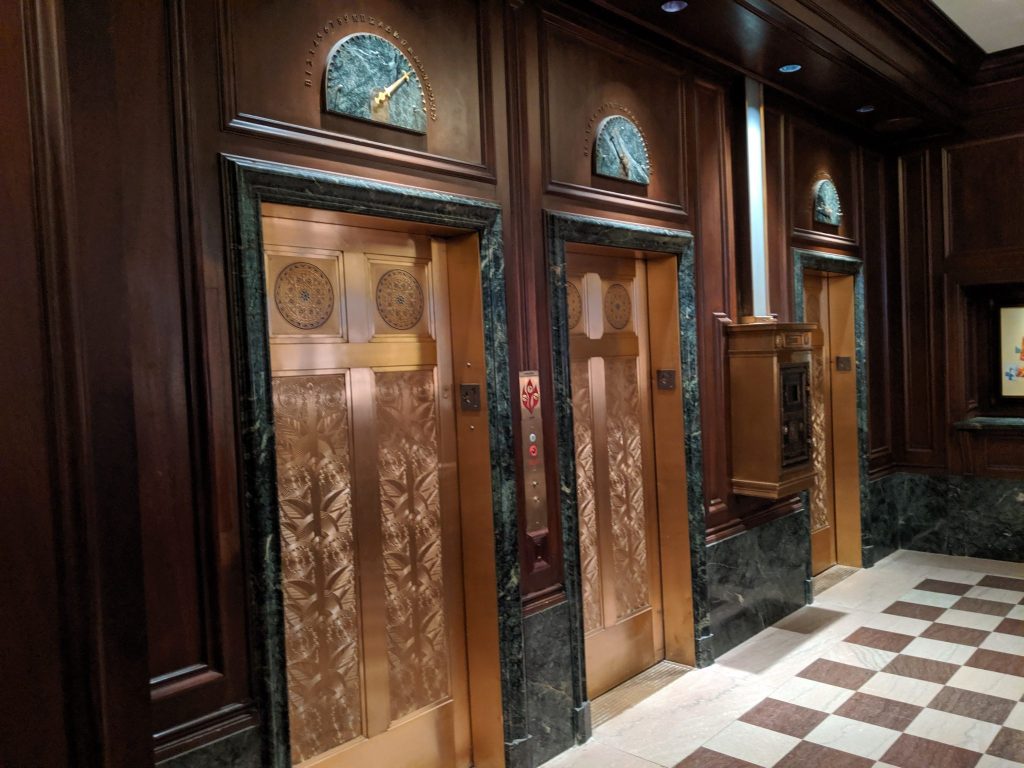
We’ve all seen the signs – elevator out of order – as we pass through our days. For some, it’s a vague inconvenience. For others, it’s somewhere between a major set-back in their travels and a plan-derailing ending to whatever they were hoping to do with their day. Of course, that’s just if there’s a… Continue reading
-
Natural Light

The front of the house is beginning to take shape! This includes a LOT of natural light in the front bedrooms – especially when you remember that these are south facing! And that was no mistake. One of our guiding design constraints was to maximize the amount of natural light and ventilation we brought into… Continue reading
-
Universal Design: Entryways, Hallways and Room Layouts

We started with our discussion of Universal Design Considerations with Zero Barrier Entries. So the logical next step would be Entryways, Hallways and Room Layouts. Continue reading
-
Affordable, Accessible Second Suites
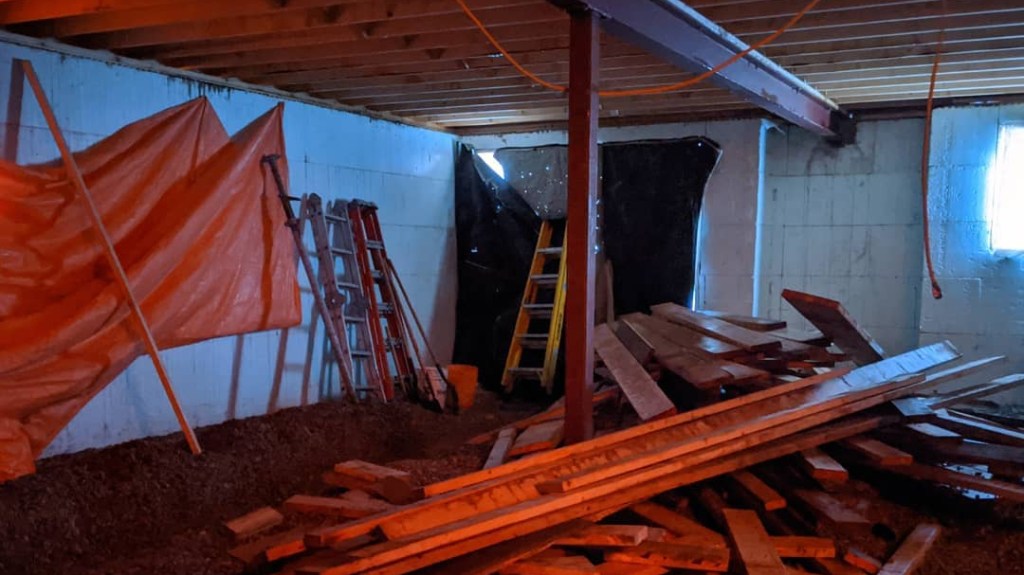
First views of the first accessible, affordable second suite in Barrie. Every day I hear stories of families and individuals who are not only trapped in the unaffordable rental market, but trapped while dealing with major accessibility needs for themselves or a family member. The level of increased disability these situations cause – both for… Continue reading
-
Why it’s Time to Change our Perspective on Wheelchairs

The movie Wall-E doesn’t paint a great picture of people using wheeled devices to move around. In fact, it sort of suggests that wheelchair usage – especially from power wheelchairs – is just a great way for people to get fatter and lazier than they already are. Unfortunately, the confusion about wheelchair usage isn’t limited… Continue reading
-
Accessibility and Universal Design
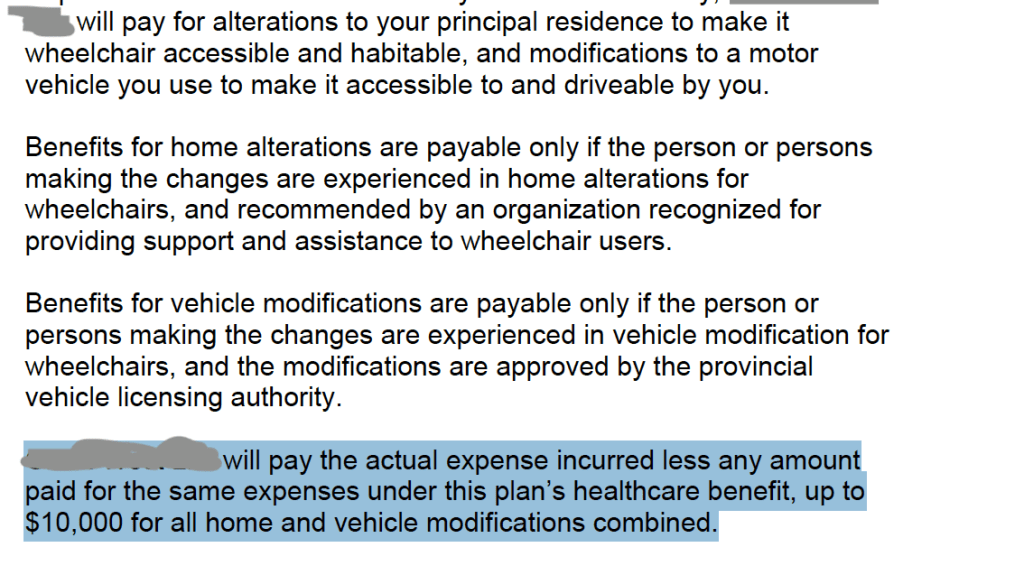
I talk a lot about the value of building Universally Designed homes and communities from the beginning. That’s because the cost of modifications to our existing, inaccessible buildings is incredibly high! But until we change the world, we still have to shift from inaccessible to accessible, and the idea I think in most people’s heads is that… Continue reading
-
Foundations

It’s a cold and snowy morning but our footings for our foundation went in this morning. I always knew how important foundations were, but I hadn’t ever realised the level of work that has to go in BEFORE the foundation. These footings have been in the works for a couple of weeks now. The bars… Continue reading
-
Accessible Out-tripping?

With the advent of a wheelchair as my primary mode of movement, I wondered whether I would ever get back into the wilderness again. And then we did. Continue reading
-
Apples to Apples
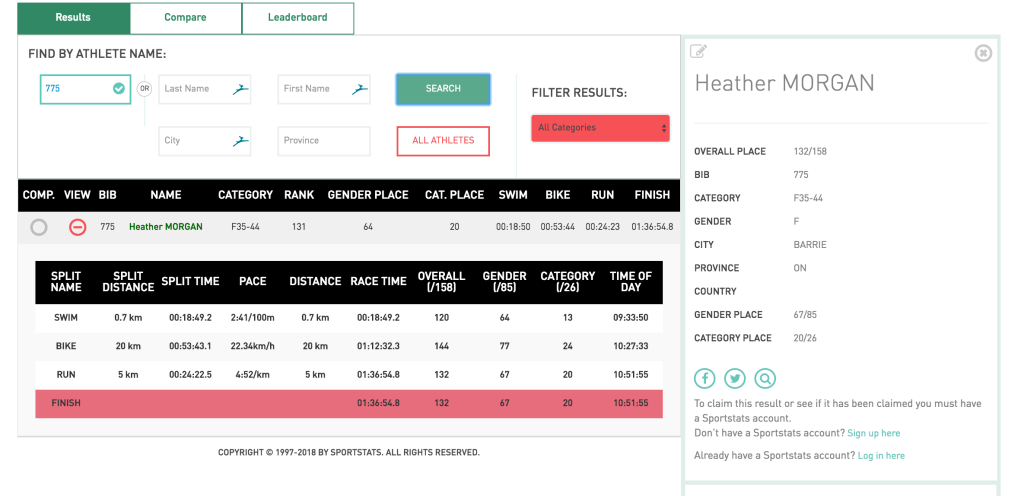
The reality is that what we are doing is entirely different to what an able-bodied athlete is doing. So we set out to find a way to get a better comparison of our data! Continue reading
-
Barrie Triathlon – Race Report
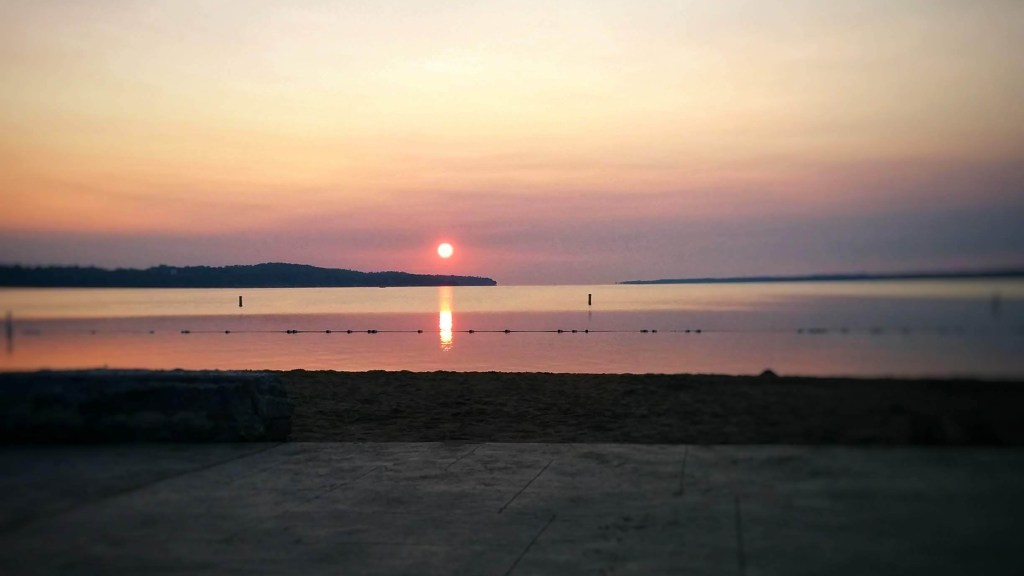
The morning of the big race dawned beautifully – although we were up far before dawn! The advantage of doing a local race, however, is that it was only 5:49 when I got out of bed, instead of the 4 am or earlier we would have done if we had needed to drive to a… Continue reading
About the program
In 2017 I was newly self-diagnosed with atypical autism, struggling with burnout, and striking out when it came to therapists who could address the issues I was facing. At the same time, I was building skills around life coaching, shame reduction, and trauma-informed therapy for work. Gradually I realized that what I needed – an embodied, autonomous, agency-driven coaching approach to unmasking – was not something I was going to find “out there”, but something I was going to need to create if I wanted to recover my life. This was the moment the Values Based Integration Process was born.
Having developed the program for myself – and having seen the incredible results it brought in my own life – I began to use it with coaching clients. The results were out of this world!
After conversations with Dr. Devon Price, the technique was featured in his book Unmasking Autism. With it, came interest in the technique and the decision was made to begin training coaches and therapists to help make this toolkit more readily available.
 Powered by Love